

Table of Contents
- Introduction: The Sound Beyond the Screen
- The Subtle Power of UX and Sound Design in Casinos
- How Sound Adds Depth to Virtual Gambling Worlds
- Design, Emotion, and Player Journeys
- Audio Mechanics Behind Casino Interaction
- The Future of Multisensory Gambling Experiences
- Table: Sound Layers and Player Emotions
- Conclusion
Introduction: The Sound Beyond the Screen
The world of online casinos has drastically evolved over the past decade. What used to be a flat, brightly colored screen of spinning icons has turned into fully immersive environments where design and sound intertwine to build atmosphere. When one logs into a platform, every click, spin, and reward carries an auditory layer that communicates emotion. And honestly, even for seasoned players, that sound design can make all the difference between a good session and a memorable one.
Many platforms, like plinko.ag, have taken this union of user experience (UX) and sound design seriously. They realize that players don’t just play with their eyes; they feel with their ears, too. When the interface hums gently during navigation or when coins clink with subtle precision after a win, it triggers satisfaction that visual feedback alone cannot achieve. It’s not just about creating noise, it’s about curating an emotional dialogue between the player and the game.
The Subtle Power of UX and Sound Design in Casinos
Sound has a direct path to emotion. You might mute your phone during a work meeting, but when you’re sitting on a slot machine at home, you’ll likely turn the volume up. Electronic jingles, suspenseful anticipations before revealing symbols, or the deep bass pulse of a jackpot all form an emotional map. The UX, meanwhile, ensures that these sounds align with the actions, timing, and design flow of the game interface.
It’s fascinating how casinos replicate real-world immersion digitally through careful synchronization of sound and visuals. The subtle feedback from every tap, swipe, or win brings a human-like texture to the experience—much like a physical slot lever or a dealer’s shuffle in a real casino.
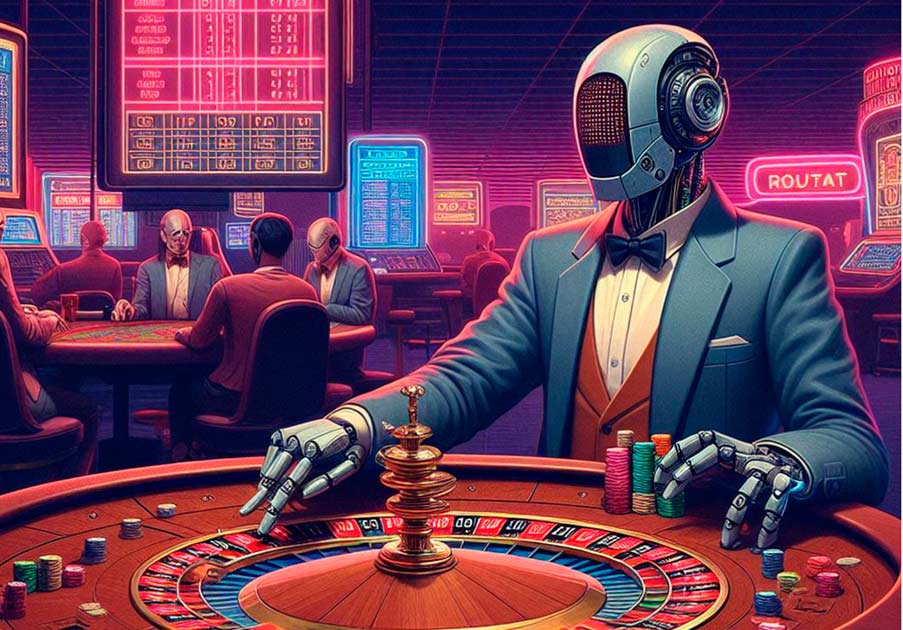
To illustrate this, consider these two factors that casinos constantly balance:
- Emotional resonance: Music and feedback sound cues must align with the desired emotional journey—calmness when waiting, excitement when winning.
- Functional guidance: The user interface sound helps guide players seamlessly through the registration, selection, and payment processes without intrusive visual prompts.
How Sound Adds Depth to Virtual Gambling Worlds
When UX designers talk about immersion, they often refer to visuals, narrative, and interactivity. Yet, sound adds another dimension, transforming flat gameplay into something closer to human experience. In casino environments, this is even more critical. Imagine a roulette wheel spinning in silence. Oddly unsettling, right? The absence of sound feels like the absence of life. That’s how deeply we associate auditory cues with excitement.
Through sound, players are drawn into rhythm. The slow build of music when tension rises—the sudden silence right before revealing results—stimulates physiological reactions such as increased heart rate. And that’s not a manipulation; it’s pure sensory storytelling. Online casinos don’t just let you observe a game. They let you feel part of it through well-timed auditory flow.

Design, Emotion, and Player Journeys
Every online casino interaction tells a story, whether acknowledging a win or encouraging another try. The combination of design and sound defines that storytelling rhythm. The visual layout directs focus, but the sounds deliver the heartbeat. It’s a bit like watching a film: you may love the visuals, but what moves you, truly, is the score underneath.
INFOBOX: Studies show that retention rates on casino apps increase up to 30% when sensory alignment—sound matching user action—is implemented correctly. People tend to play longer and feel more satisfied.
In user-centered design frameworks, this becomes an equation: clarity + feedback = comfort. When a user presses a “Spin” button and receives instant visual and audio confirmation—a mechanical click with a responsive animation—they naturally feel in control. No delays, no confusion. It’s subtle but powerful UX theory at work.
Audio Mechanics Behind Casino Interaction
Different sounds serve different UX functions within a casino platform. The short click, the melodic notification, or the satisfying coins falling sound all correspond to levels of reward feedback. It becomes a mini-language players unconsciously learn.
Here’s a helpful breakdown of how that works:
| Sound Type | Player Action | Emotional Outcome |
|---|---|---|
| Soft Clicks | Button Press or Bet Confirmation | Trust, assurance, readiness |
| Rising Tones | Spinning or Waiting Phase | Anticipation, focus |
| Coin Drops | Winning Animation | Joy, reward reinforcement |
| Muted Taps | Navigation through menus | Ease, flow |
When UX researchers test these layers, they often use A/B sound testing. For instance, a bright metallic ping might feel too artificial for some users, so they soften it to simulate a warmer analog sound. That’s not technical trivia—it’s feelings engineering. The entire user experience depends on repeated emotional accuracy.
The Future of Multisensory Gambling Experiences
The next big movement in the gambling world won’t necessarily be VR or AR—it might be multi-sensory responsiveness. Developers are studying ways sound design can become more adaptive, changing tones depending on a user’s betting pattern or emotional state. That builds personalization, which in UX terms means loyalty. A returning player is one who feels understood, guided, even subtly comforted every time they come back.
We might soon encounter casinos that respond with ambient soundscapes based on your activity. Winning streaks could lead to cheerful rhythmic loops, while quiet sessions might bring in calmer tones. This kind of responsive audio could redefine what “immersive” means.
Still, even now, many designers are cautious. Overusing sound becomes noise, underusing it drains energy. The goal is equilibrium. Balance is everything in the auditory dimension of UX.
Sound in Casino Branding
There’s also the marketing side. Distinct sound branding now complements visual branding, giving casinos their “voice.” Think of that recognizable start-up tone some platforms use. It’s part logo, part experience, part memory anchor. Once players associate that tone with excitement or familiarity, it reinforces the brand identity deeper than any banner could.
Often, the sound cues are tested in real time. UX teams measure whether people stay longer, move faster through payment pages, or react emotionally to specific melodies. It’s a subtle science built on storytelling instincts.
- Create a consistent emotional audio identity that players can associate with the brand.
- Integrate adaptive audio layers that change as players progress, similar to how lighting changes mood in physical casinos.
- Test new tones with micro-interactions like withdrawals, rewards, and messages to ensure positive user response.
Collaborations Between UX Designers and Composers
What’s becoming more common is a creative partnership between UX experts and professional composers. The composer’s job isn’t just to write background music—it’s to sculpt reactions, design moments of relief, curiosity, even mild suspense. That collaboration brings authenticity and a cinematic feeling to the casino world. Every button you press triggers an intentional sound byte planned weeks in advance.
In simpler terms: UX is the layout and function, sound is the emotion and feeling. When combined properly, they transform what could be a mere interface into a living environment.
Player Behavior and Psychological Layering
Sound also taps into behavioral feedback loops. When a player hears the sound of coins or light celebratory music, their brain connects pleasure with the action. The next spin feels inviting not because of the prize, but because of the echo of reward. Designers know this; they use it not manipulatively, but thoughtfully, ensuring that positive reinforcement doesn’t overwhelm rational experience.
- Encouragement through non-intrusive melodies after small wins.
- Soothing intervals during pauses to prevent fatigue.
- Rhythm-based designs aligning with animation speed for continuity.
Interestingly, there’s a fine line between engagement and overstimulation, and that’s where UX designers constantly adjust. The best audio feedback disappears into intuition—you notice it only when it’s gone.
Conclusion
Ultimately, when we say “UX and sound unite,” it’s not just about aesthetics. It’s about building a human bridge in digital play. Casinos and gambling platforms have always explored how to replicate real-world excitement online, and now they’ve reached the point where emotional auditory design feels as tangible as the spin of a wheel or flip of a card.
As players, whether consciously or not, we respond to sound as part of the overall journey—nudging decisions, comforting hesitation, amplifying luck. The hum of background music, the chime of a reward—all of it becomes part of a personal rhythm. Platforms like plinko.ag exemplify how technology now understands us through feeling as much as through function.
UX and sound design aren’t peripheral anymore; they are the pulse, the voice, even the gentle whisper behind every bet. The next time you hear the soft echo after a virtual coin lands, remember—it’s more than sound. It’s emotion in design form, perfectly tuned to make digital gambling worlds feel beautifully, almost strangely, alive.