
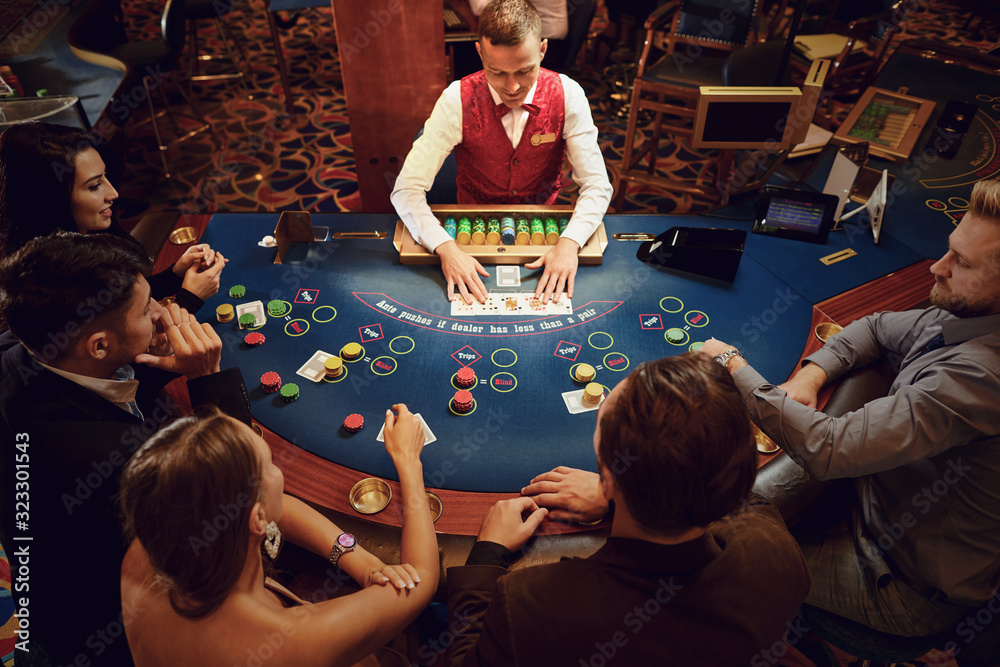
When I first discovered how design aesthetics influence our feelings during gameplay, I realized casinos are more than spinning reels and numbers. They are crafted worlds. Every color spark, sound effect, and smooth animation is a little conversation between the platform and the player. Today, most online casinos rely on such elegant patterns, subtle but effective emotional cues that lead users into comfort, excitement, or curiosity. Whether one enters a modern slot platform or tries out something playful like Plinko, that experience is rarely random. Design is almost invisible when it works best.
Perhaps that’s why I became fascinated by the way UX and audio collaborate inside these digital halls. The shimmer of icons, the delay between clicks, or that uplifting jingle after a win are more than decoration; they build trust and keep people in flow. There is a gentle rhythm to the entire experience, sometimes barely noticed consciously, but it builds atmosphere layer by layer.
Elegant Patterns In Casino Design
There’s something deeply human about recognizing patterns. Casinos know this instinct very well. Even virtual ones pay attention to visual harmonies, symmetry, and tone contrast. The use of geometric repetition and gradients doesn’t only look good, it suggests fairness, predictability, almost like the interface itself is reassuring us, saying everything is in control. Yet, beneath that calm order, there’s a flicker of chance that keeps players alert.
True, most users might not analyze the design consciously. Still, they react to it. Motion feels natural when properly timed, shadows guide the eye, and even the rhythm of pop-up bonuses holds emotional weight. It’s all part of a limited yet rich choreography.
How Audio Refines Play Emotions

I’ve sometimes muted a game just to test how much difference the sound made. The experience instantly felt emptier. Sound is an emotional compass in casino play. Every shuffle of cards, the coin drop, the glowing hum behind the slot music tells the brain whether to anticipate, relax, or focus. It orchestrates attention and mood without saying a word.
There are usually three main stages of how audio interacts with player sentiment:
- It guides attention during key moments, such as wins or bonus rounds.
- It provides subtle reassurance in idle times, keeping environment alive.
- It triggers the memory of fun, linking sound signatures to emotional recall.
All these elements together shape what could be called a sonic identity. That’s the emotional fingerprint of a casino. Once you hear those bright tones again somewhere, part of your mind says, “I’ve been here.”
UX Choices That Shape Player Experience
While graphics and sound might attract first, user experience keeps people around. Smooth registration, quick payments, and intuitive navigation matter as much as jackpot size. Nobody enjoys a complicated sign-up or slow withdrawal process, right? The most successful casinos simplify paths yet preserve excitement.
Interestingly, the design of reward journeys now borrows ideas from behavioral psychology. Players are rewarded not just for winning but for participating, exploring menus, or achieving badges. That consistent but nonintrusive engagement forms a gentle loop of activity, emotion, and memory. It feels like being understood rather than manipulated, at least when done right.
There are usually three UX improvements developers prioritize when refining their platforms:
- Faster transaction interfaces and simplified payment panels.
- Personalized dashboards adjusting game suggestions to player habits.
- Responsive layout ensuring equally smooth play on mobile or desktop.
Each point sounds logical but execution really decides the outcome. Even mere seconds of lag during spins can throw off immersion. Conversely, swift feedback loops deliver a gratifying sense of stability that players translate into credibility.
The Balance Between Visuals and Rewards
Now, here comes an interesting contradiction. Too much visual sophistication can actually distract from gameplay. A casino interface overloaded with animated effects may appear dynamic yet feels noisy. The current trend leans toward calm clarity, letting graphics breathe and emphasizing reward suspense.
There are three balancing lessons I’ve observed after exploring dozens of online gaming interfaces:
- Minimal transitions make winnings feel more momentous.
- Soft color contrast aids focus on the main game canvas.
- The sound pace must match user psychology, not overpower it.
Balancing aesthetics and usability is, in a way, an art. Some developers even hire musicians alongside UX designers to ensure emotional consistency. It’s peculiar how the beat frequency of background scores matches average user click tempo. Maybe coincidence, or maybe a sign of thorough human-centered design.
FAQ
1. Why do casino sounds matter so much?
Because sound amplifies emotion. It encourages engagement even when players are unaware of it, creating an emotional bridge between interface and action.
2. How does elegant design influence trust?
Neatly arranged patterns and smooth animations reflect control and stability, which psychologically translates to reliability and safer play perception.
3. Are traditional casinos adopting similar digital strategies?
Yes. Many land-based venues replicate successful app UI features such as clean icons and curated audio loops to keep player emotions aligned with excitement.
4. Can simple designs be more effective than flashy ones?
Absolutely. Subtle transitions and harmonized layouts often lead to deeper user focus, which feels ironically more thrilling than overstimulation.